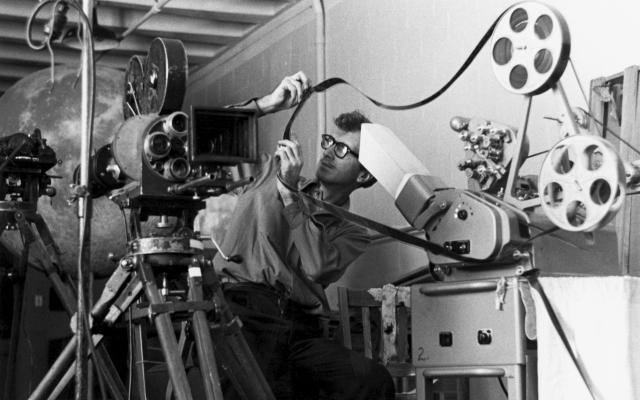
In the 60’s, film editing was done in a very manual and physical way. Everything was accomplished using only film reels; there was not an ounce of digital assistance. Here is how filmmakers constructed their narratives:
1.Celluloid Film Recording
Feature length films had to be recorded on 35mm film, which was available on reels. The rolled film would undergo development in labs as a prerequisite to being passed to the editor for slicing and splicing.
2.Watching the Film on a Moviola or Flatbed Editor
Idle viewing was performed by editors on machines such as the Moviola or Steenbeck flatbed editors. These machines allowed for sequential scanning of footage, and editors could stop at any frame they wanted
3.Cutting, literally
Physical scissors or splicers were utilized by editors of film strips. They would literally just mark and cut the film, only to rejoin the scenes later by glue and tape.
4.Editing of The Sound Is Done In Parallel
So was the recording, which was permanently done on magnetic tapes. The sound subsequently altered to sync visually using indicators known as the clapperboard.
5.Try, try again – no kidding
Everything was done in real-time, there was no ‘undo’ option. If editors wished to use original footage, they had to take extreme care to not make any wrong cuts. All manner of judgment calls had to be made with confidence.
6.Collaboration is Key
During the 60s, the editing of films was a painstakingly slow process, requiring a high degree of teamwork. Editors, cutters and sound editors had to engage with each other’s work closely.
Final Thought:
Cutting and splicing film in the 1960s required a great deal of both skill and patience – an art form in itself. Today’s editors would not even be able to comprehend the amount of work implemented to achieve such seamless storytelling. Technology might be at the pinnacle of advancement, but editing is – and will always be, at its core – capturing feelings through meticulously crafted footage.
 The Benefit Zone