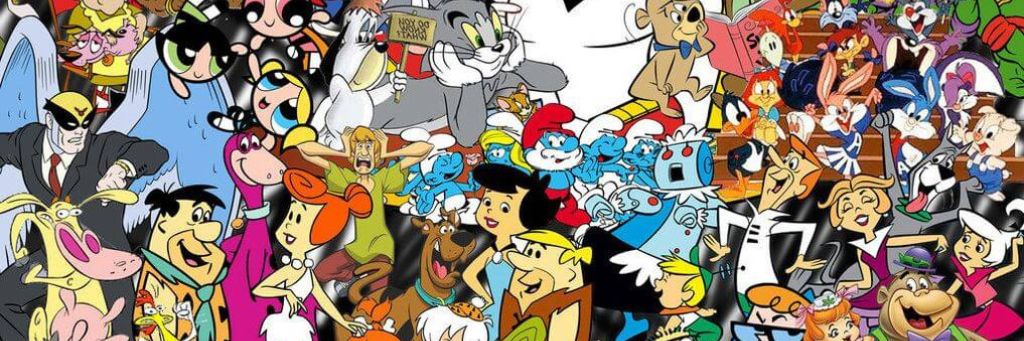
In the 1960, the world of animation was vibrant, colorful and full of life. However, that was a world devoid of computers and animation tools. Everything had to be done manually and required literally blood, sweat and tears. Here is how early cartoons were structured, edited and broadcasted on television.
1.Story And Script Writing
The base, not unlike modern times, is always an idea. Writers would come up with clever and short scripts for the writers to swap ideas with. The dialogues, plans for scenes and character movements also had to be deliberated. The process was also followed by many popular cartoons such as Tom and Jerry and The Flintstones.
2.Character Design
Empirical character movements and actions had to be captured, and drawing them out had to be done on paper. A single character required multiple iterations of different poses to express emotions, posing and moving. The artwork (known as model sheets) gave animators the ability to retain the character’s physique.
3.Story Boarding
Marking each chapter off was done through story boarding. These drawings served as an illustrative guide of how the action would transpire and capture each snapshot rappeler step by step. This aided in drawing the various actions out beforehand and condensing them into a singular illustrative rectangular frame.
4.Cell Animation
In the 1960s, cell animation was the principal animation technique.
◉Each cartoon drew the frames on separate transparent celluloid sheets known as cells.
◉Every action—like a character blinking—was drawn on a new cell.
◉Cells were stacked over painted backgrounds and sequentially photographed.
◉Even short cartoons took thousands of cells!
5.Voice Recording & Sound Effects
Actors recorded their dialogues in a studio. Sound engineers added real music and effect sounds, like footsteps, crashes, or laughs, using objects or pre-recordings. Everything was done on tape reels through painstaking manual syncing.
6.Editing with Film
Cartoons were recorded in 16mm or 35mm film. Editors used special devices to manually cut and splice the film strips. They matched the frames to clean the sound track and removed any discrepancies using physical tools—not computers.
7.Telecasting on TV
Finalized cartoons were shipped to TV stations. There were no digital uploads, only physical copies of the reel. Cartoons were scheduled at specific times for weekends or evenings during the weekdays to cater to children.
Conclusion:
Producing any cartoon in the 1960s required a considerable amount of animators’ time due to the meticulous nature of the work. Every aspect of cartoon production, starting with character sketches through photography, film editing, and even the actual editing, was done by hand. There are no contemporary technologies that could facilitate the process. Regardless, the animated features created in those bygone days retain a cherished place in our memories.
 The Benefit Zone