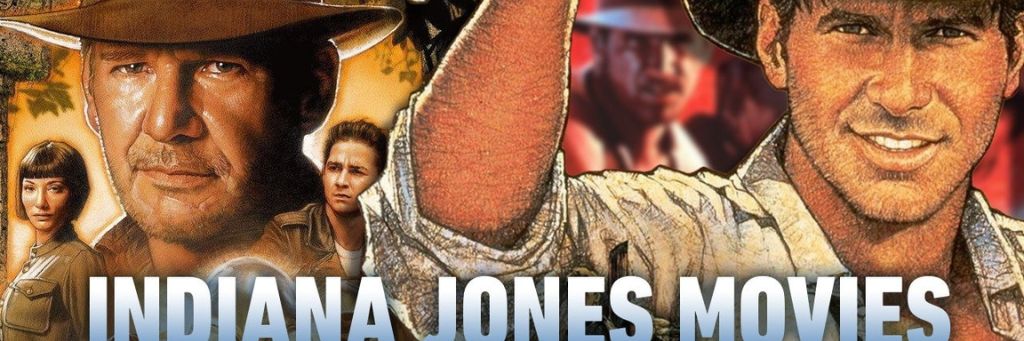
Filming Indiana Jones wasn’t just about making a movie; it was about crafting a cinematic experience filled with daring stunts, massive set pieces, and a palpable sense of adventure. The way the films were made contributes to their timeless quality and cult classic status.
Here are some of the key details about how the films were shot:
1.Practical Stunts and Effects
Unlike many action movies that rely heavily on CGI (especially today), Indiana Jones relied on practical effects and real stunts. Spielberg and Lucas wanted to create a sense of realism, so most of the action scenes were done without the aid of green screens or computer-generated imagery.
For example:
★The famous boulder scene in Raiders of the Lost Ark was filmed with a massive, rolling prop boulder (weighing about 500 pounds). Harrison Ford had to run as the boulder pursued him, creating a heart-pounding sequence that remains iconic.
★The chase scenes (especially in the desert and in the jungle) were filmed with actual vehicles, horses, and real explosions. The use of physical action, rather than relying on digital effects, made the action feel grounded and tangible.
★Harrison Ford performed many of his own stunts, which helped create a visceral, engaging experience for the audience. His famous fight with a swordsman (who is cut down by a shot from Indy’s gun) was improvised—Ford was too sick to perform the complex sword fight as planned, so they filmed the scene as a quick solution.
2.The Role of the Location
🔹The Indiana Jones films were shot on location in a variety of countries, which added authenticity to the settings and helped immerse audiences in the adventure.
🔹Jordan: Some scenes in Raiders of the Lost Ark were shot at the ancient city of Petra, one of the Seven Wonders of the World, which gave the film an exotic and mysterious backdrop.
🔹Hawaii and California: The opening scene in Temple of Doom was filmed in the lush jungles of Hawaii. The more elaborate set pieces, like the mine car chase, were filmed in California.
🔹Tunisia: The Tatooine scenes in Star Wars were filmed here, but it also served as a setting for the opening sequence of Raiders.
3.Creating the Ark of the Covenant
The centerpiece of Raiders of the Lost Ark is the Ark of the Covenant, and its design was carefully crafted by production designer Norman Reynolds. The Ark itself was built as a functional prop, with the filmmakers wanting to make sure it had an ancient and mystical appearance. The design combined elements from historical depictions of the Ark with the imaginative flair that was common in pulp adventure tales. The Ark is one of the film’s most iconic props, and its design has stuck with pop culture ever since.
4.The Cinematic Style
Spielberg’s direction focused on keeping the pacing tight, creating suspense while balancing action with character moments. His use of over-the-shoulder shots and sweeping wide shots was crucial in making the film visually engaging. Spielberg would also frequently use tracking shots to follow Indy through scenes, adding energy to the action while maintaining the feeling of movement and adventure.
5.Innovative Use of Sound
Sound designer Ben Burtt (who also worked on Star Wars) created many of the iconic sound effects in Indiana Jones. From the whip crack to the sound of the rolling boulder, these sound effects became part of the series’ identity. The movie also made great use of ambient sound and music to keep the tension high and the action fluid.
Conclusion: The Legacy of Indiana Jones
The Indiana Jones films remain a cult classic because they encapsulate what audiences love about cinema—action, adventure, mystery, and unforgettable characters. The way the films were shot, with a blend of practical effects, real stunts, and compelling storytelling, ensured that they stood out from other action movies. Spielberg’s masterful direction, combined with Lucas’ adventurous spirit, created a timeless film series that has influenced generations of filmmakers and continues to entertain audiences today. Whether you’re revisiting them or watching for the first time, the Indiana Jones films never lose their charm.
 The Benefit Zone